
Chronic Pain: Moving Beyond Medication to Address Root Causes
Chronic pain affects millions, but many cases stem from underlying tissue damage or inflammation that regenerative medicine can target. Here’s how to explore alternatives to long-term medication.
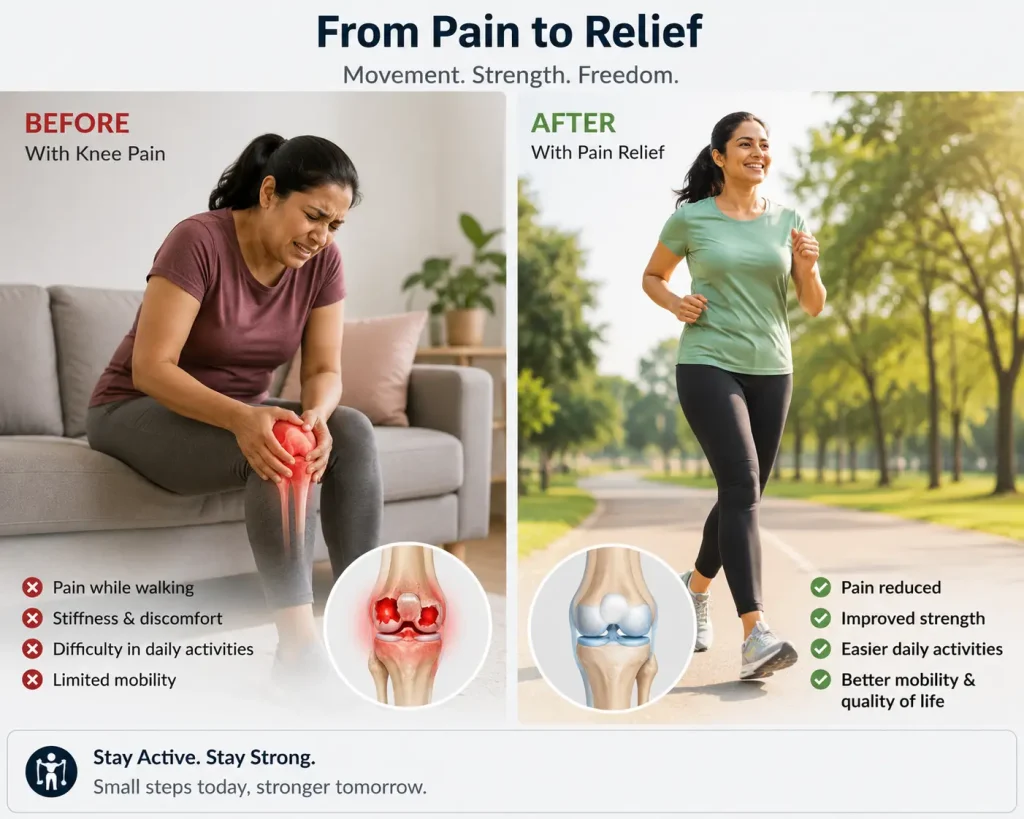
Chronic pain is persistent pain lasting more than 12 weeks, often stemming from an old injury, degenerative joint disease, nerve dysfunction, or inflammation that never fully resolved. Unlike acute pain (which signals acute injury), chronic pain persists even after the initial injury has healed — sometimes with no clear structural cause.
Many chronic pain patients spend years on pain medication, muscle relaxants, or anti-inflammatories that provide temporary relief but don’t address the underlying problem. Some develop opioid dependence. Others simply learn to live with it.
Regenerative medicine approaches chronic pain differently: by identifying and treating the damaged tissue, degenerated joint, or inflammatory trigger, these therapies can reduce or eliminate pain at the source rather than just masking it.
Regenerative therapies attack chronic pain from multiple angles:
Rather than covering up pain signals, regenerative medicine treats the problem causing the signals in the first place.
Frequently Asked Questions
Regenerative medicine works best for pain rooted in tissue damage (joints, tendons, ligaments, spine). Pain from nerve damage (neuropathy), central nervous system conditions, or complex regional pain syndrome may require specialized protocols. A thorough evaluation helps determine your best options.
Timeline varies by condition and severity. Some patients experience pain relief within weeks; others see gradual improvement over 2–3 months as tissue repairs. Chronic pain often took months or years to develop, so patience is important.
Many patients do reduce or discontinue pain medications as regenerative treatment takes effect. Never stop medications on your own — work with both your pain specialist and your regenerative medicine provider to safely adjust medications as your condition improves.
Back pain, neck pain, hip pain, shoulder pain, arthritis, fibromyalgia-related pain, and post-surgical pain are among the most common. Niche applications include migraine, pelvic pain, and neuropathic pain. Ask your provider about their experience with your specific pain pattern.
Success rates are comparable, though chronic pain may require multiple sessions or a longer timeline for full resolution. The advantage is that addressing the root cause gives you lasting relief, whereas medication often requires ongoing use..