
PRP Therapy: What It Is, How It Works, and How to Find a Verified Provider
What Is PRP Therapy?
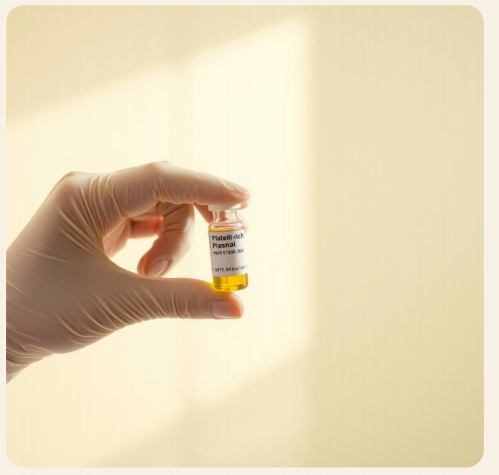
Platelet-rich plasma (PRP) therapy is a minimally invasive regenerative treatment that concentrates the healing properties already found in your own blood. A small sample of blood is drawn, processed in a centrifuge to isolate a high concentration of platelets and growth factors, then injected directly into the injured or affected tissue.
Because PRP is derived from your own biology, the body recognizes it naturally — making rejection or allergic reaction extremely rare. The therapy doesn’t introduce foreign substances; it amplifies what your body already knows how to do.
PRP has been used clinically for decades, initially in oral surgery and wound healing, and is now widely applied across orthopedics, sports medicine, dermatology, and pain management.
How Does PRP Work?
Platelets are best known for their role in clotting, but they’re also rich in growth factors — signaling proteins that direct tissue repair at a cellular level. When concentrated and delivered to a site of injury or degeneration, these factors:
The result is a targeted biological environment that supports recovery in ways that rest, medication, or physical therapy alone often cannot achieve.
Frequently Asked Questions
Most protocols involve 1–3 injections spaced 4–6 weeks apart. Your provider will tailor the plan based on your condition and how you respond to the initial treatment.
The injection itself can cause brief discomfort, and some soreness in the treated area is normal for 24–72 hours afterward. Most patients tolerate it well without sedation.
PRP stimulates a biological healing process, so results develop gradually. Most patients notice meaningful improvement between 6 and 12 weeks, with continued progress for up to 6 months.
Most insurance plans do not currently cover PRP, as it is still classified as investigational for many conditions. Costs typically range from $500–$2,500 per injection depending on the area treated and provider.
Because PRP is derived from your own blood, the risk profile is very low. Infection, nerve injury, and adverse reactions are rare when performed by a trained clinician in a clinical setting.
Most consultations are scheduled within 48 hours.