
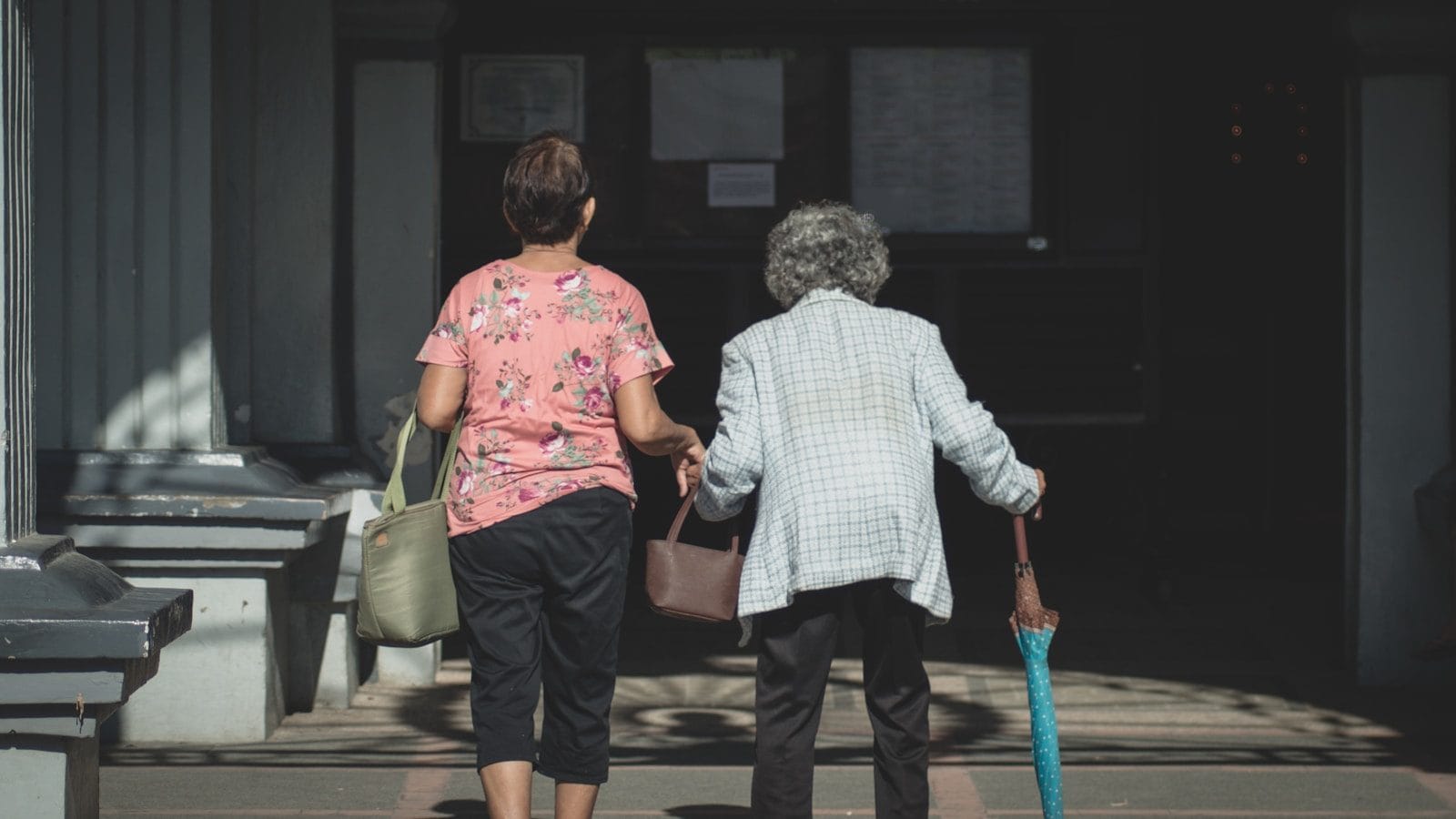
Frailty is not an inevitable or single disease. It can be influenced by muscle loss, nutrition, chronic illness, medication effects, balance problems, and reduced activity. Evaluation should identify reversible contributors and focus on independence and meaningful daily goals.
Research is exploring cell-based and biologic approaches to muscle function and healthy aging, but established care remains centered on progressive strength and balance training, adequate protein and nutrition, medication review, and management of underlying conditions.
A geriatrics, rehabilitation, or primary-care team can help define functional goals and monitor strength, walking, falls, nutrition, and quality of life. Emerging therapies should complement rather than replace a comprehensive plan.