
PRP
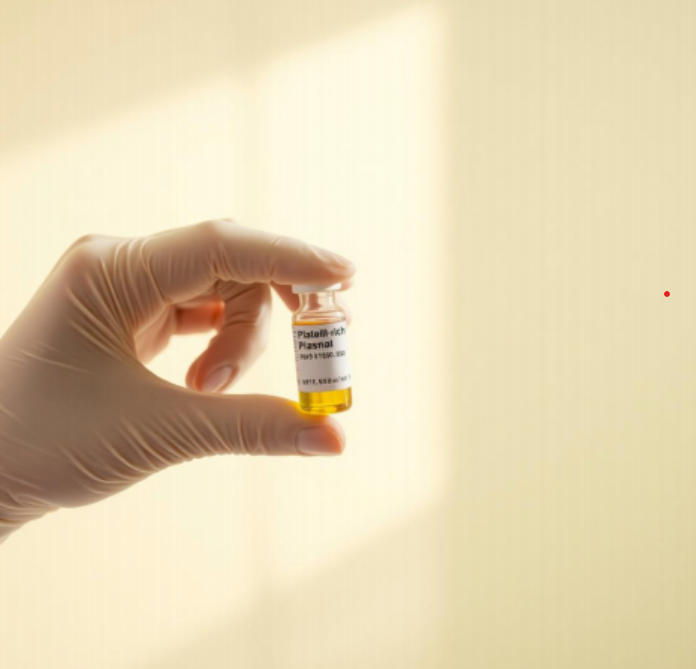
What Is PRP Therapy?
Platelet-rich plasma (PRP) therapy is a minimally invasive regenerative treatment that concentrates the healing properties already found in your own blood. A small blood sample is drawn, spun in a centrifuge to isolate a high concentration of platelets and growth factors, and then injected into the injured or affected tissue.
Because PRP is derived from your own biology, the body recognizes it naturally, which makes rejection or allergic reaction extremely rare. Rather than introducing a foreign substance, the therapy amplifies repair processes your body already knows how to perform.
How Does PRP Work?
Platelets are best known for their role in clotting, but they are also rich in growth factors — signaling proteins that direct tissue repair at a cellular level. When concentrated and delivered to a site of injury or degeneration, these factors can stimulate collagen production, support the formation of new blood vessels, reduce local inflammation, and accelerate healing in tendons, ligaments, cartilage, and skin.
What to Expect
PRP has been used clinically for decades, beginning in oral surgery and wound healing, and is now applied across orthopedics, sports medicine, dermatology, and pain management. Most protocols involve one to three injections spaced several weeks apart, tailored to the condition and how the individual responds. It is typically performed as an outpatient procedure with minimal downtime.
Questions to Ask a Provider
Before beginning treatment, consider asking how the PRP is prepared, how many sessions are recommended for your condition, what outcomes are realistic, and what the total cost will be, since PRP is often not covered by insurance. Use this guide to compare providers and find a qualified specialist near you.